
Moses & The Exodus
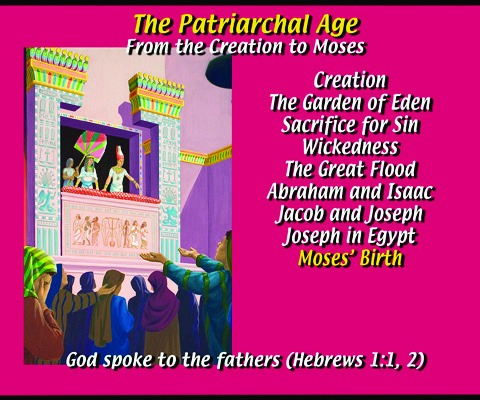
MOSES’ BIRTH occurred many years after Joseph died. A new ruler had came to the Egyptian throne. He began to persecute Joseph’s people in spite of all that Joseph had done for Egypt. He made their lives unbearable through merciless slavery and other inhuman treatment. Moses was born during his reign.1
1Acts 7:17-20.
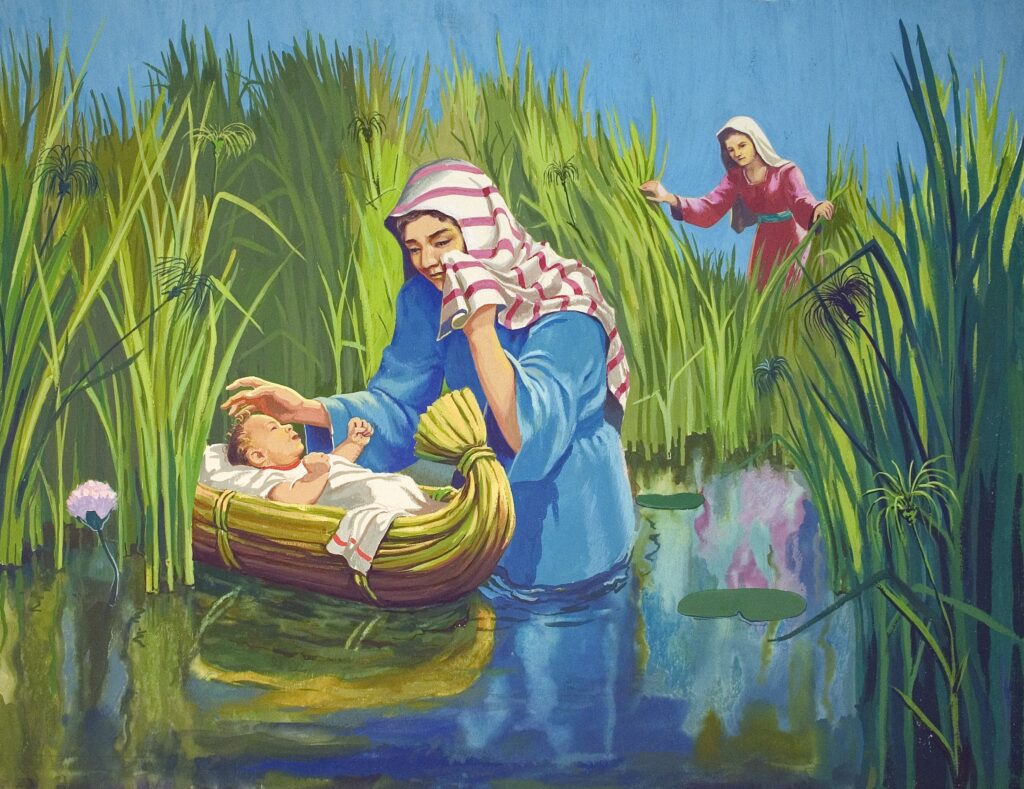
TO REDUCE THE NUMBER of Israelites in Egypt, the wicked king had ordered that as soon as an Israelite son was born he should be thrown into the Nile River. But the mother of Moses saved her son. She prepared a special basket and set baby Moses afloat on the Nile River in the reeds just off shore.1
1Exodus 2:1-4.
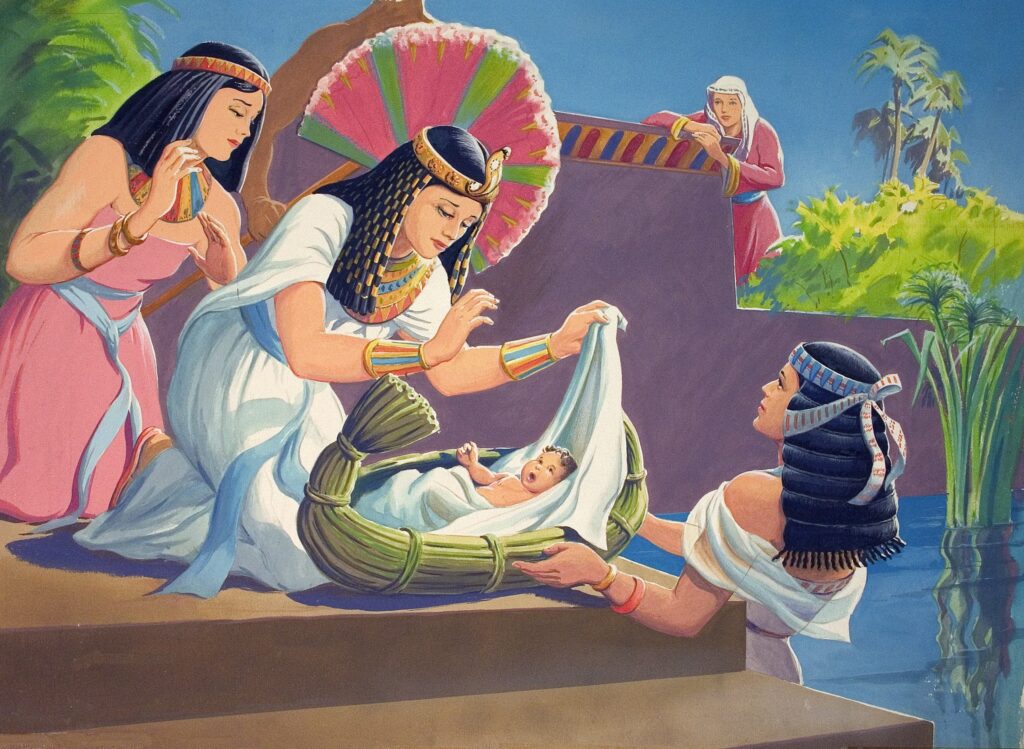
PHARAOH’S DAUGHTER FOUND BABY Moses. She loved him immediately. She decided to rear him in the royal palace as her own son. In the providence of God, the princess allowed Miriam, Moses’ sister, to select a Hebrew nurse for the child. In this way Moses’ own mother was employed to take care of him.1 This familiar story demonstrates God’s providential love and care for His people.
1Exodus 2:5-10.
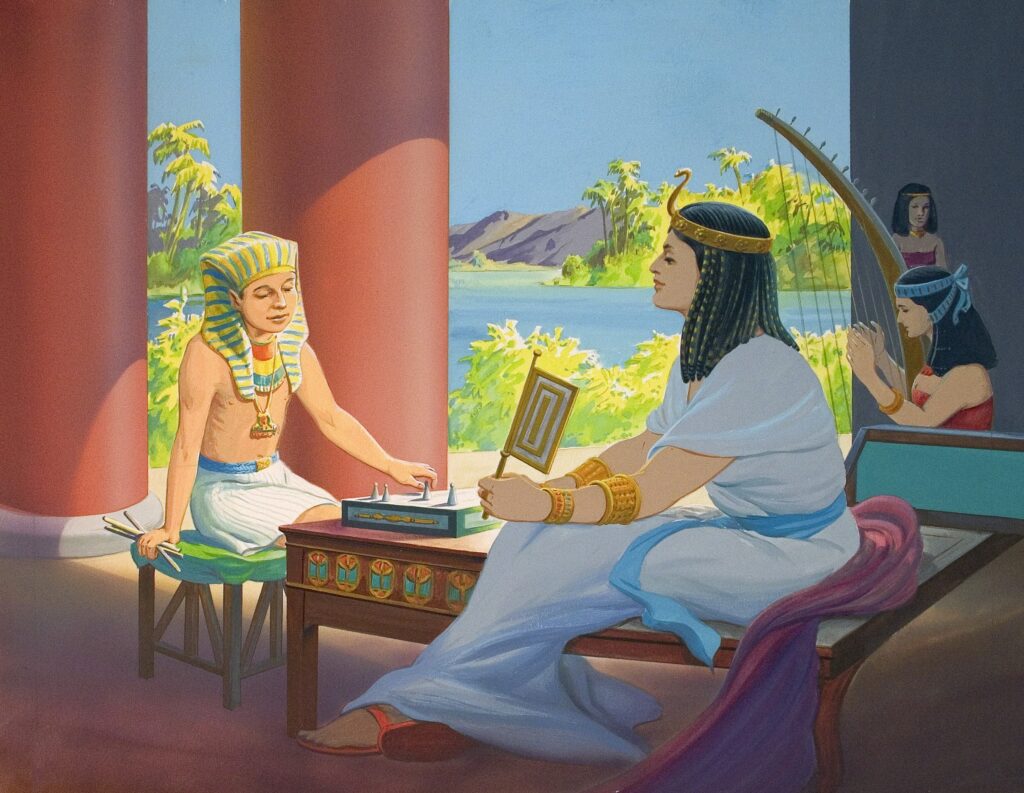
WITH HIS OWN MOTHER for his nurse, Moses learned that he was one of God’s chosen people, a Hebrew or Israelite. As Moses grew older he became increasingly unhappy at the cruel treatment his people received at the hands of the merciless Egyptians.
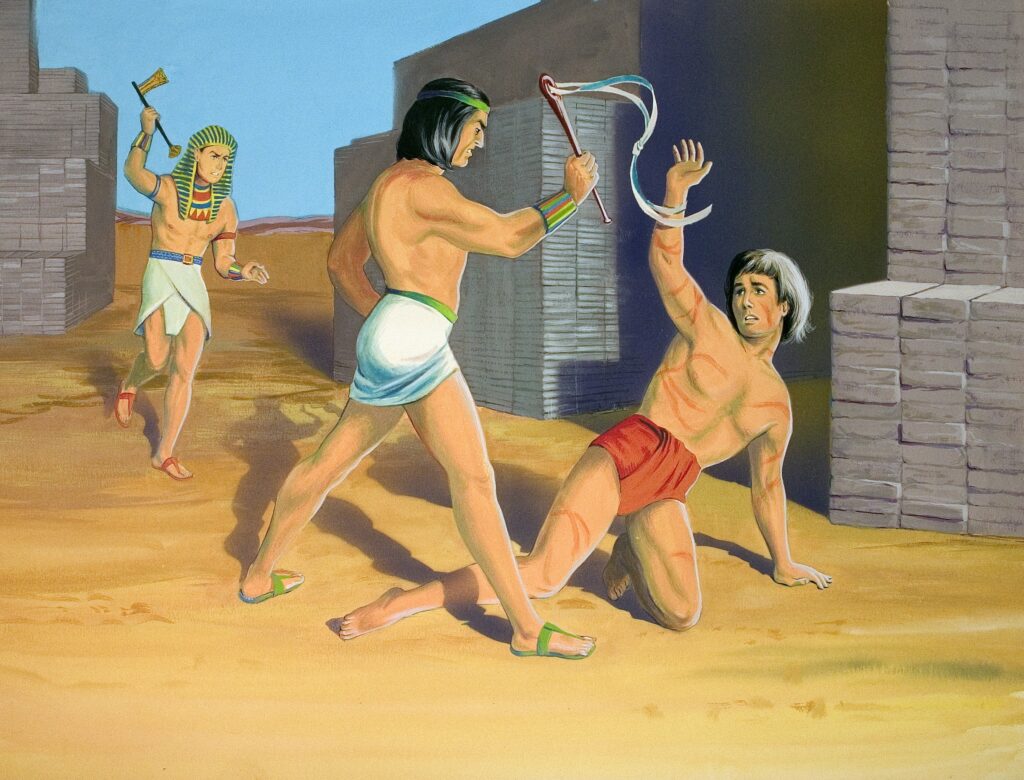
MOSES’ RESENTMENT FOR THE EGYPTIANS continued to intensify. At the age of 40 he killed an Egyptian slave driver whom he saw beating one of his fellow Hebrews. Moses had made his choice to defend God’s people rather than to enjoy the opportunities of the king’s palace. Fearing for his life, Moses fled into the land of Midian. There he served as a shepherd in the wilderness for forty years.1
1Exodus 2:11-15; Acts 7:23-30.
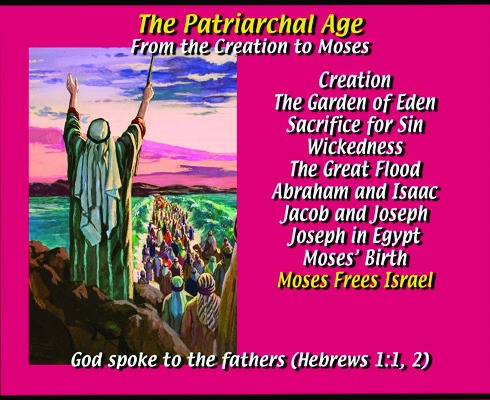
MOSES FREED ISRAEL after God had made him ready for the task. The many challenges of the wilderness helped to prepare Moses for the greatest work of his life: leading God’s people out of Egyptian slavery.
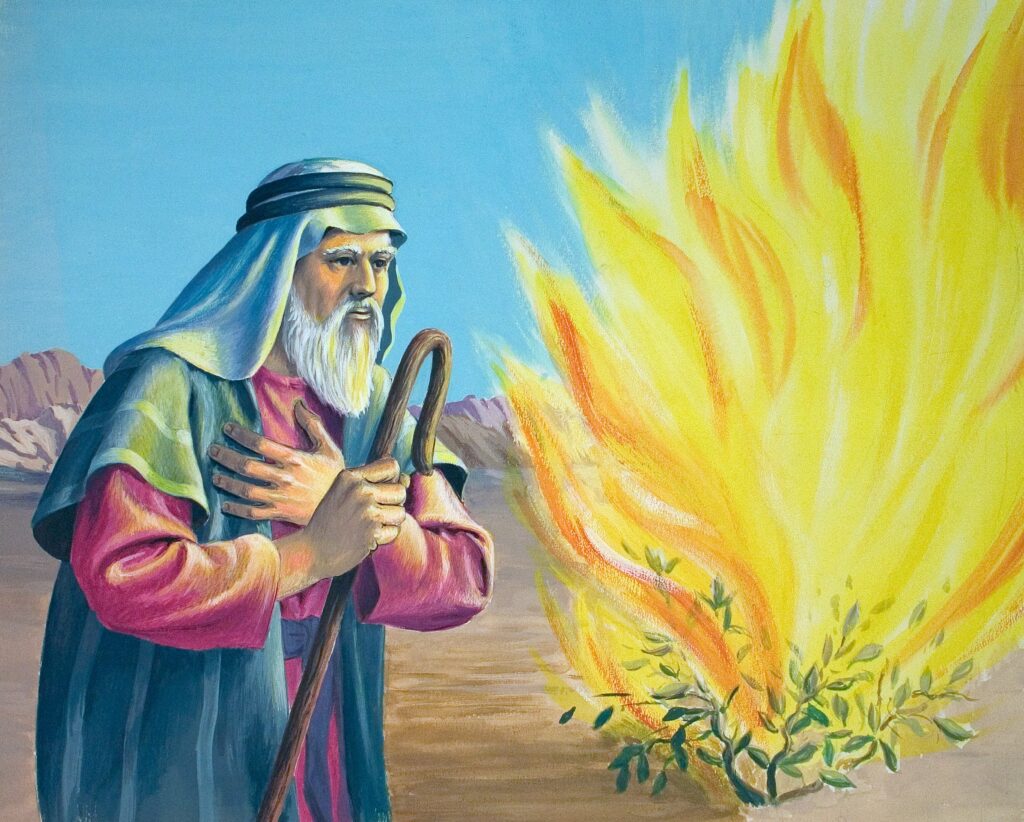
GOD’S CALL CAME to Moses in a very unusual way. He spoke to Moses from a bush that was on fire but did not burn up.1 “‘Moses, Moses! . . . Take your sandals off your feet, for the place where you stand is holy ground . . . Come now, therefore, and I will send you to Pharaoh that you may bring My people, the children of Israel, out of Egypt’” (Exodus 3:4, 5, 10).
1Exodus 3:1, 2; Acts 7:30-34.
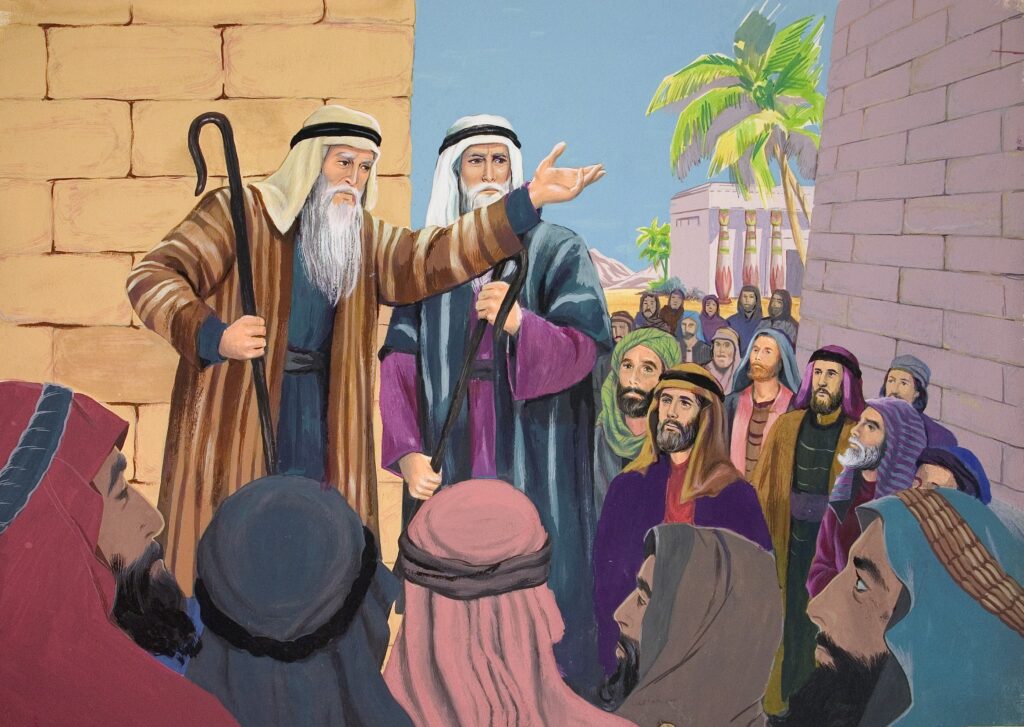
MOSES RETURNED TO EGYPT. He was welcomed by the enslaved Israelites. Working with his brother Aaron as his spokesman, Moses set out to free God’s people.1
1Exodus 4:27-31.
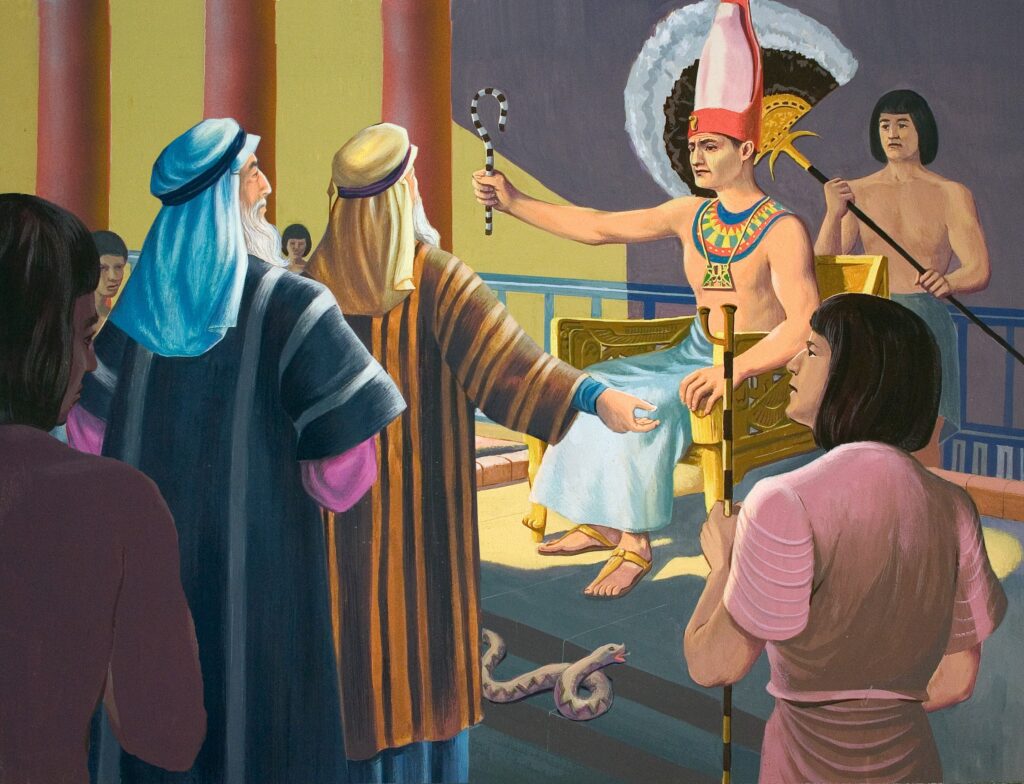
MOSES AND AARON soon were allowed to appear before Pharaoh. They told him, “‘Thus says the Lord God of Israel ‘Let my people go . . . ‘” Pharaoh replied with contempt, “‘Who is the Lord, that I should obey His voice . . . ?’”1 During a later visit, Aaron demonstrated God’s power. He threw down his rod and it became a snake!2
1Exodus 5:1, 2. 2Exodus 7:8-10.
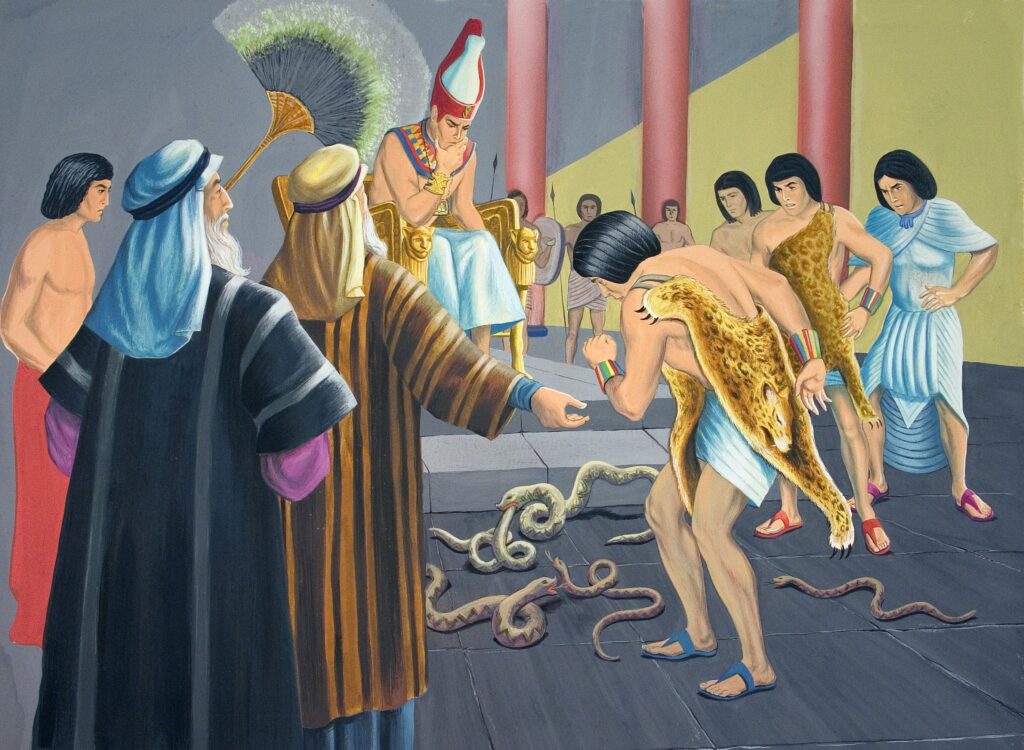
AT FIRST PHARAOH was not impressed because his court magicians also produced snakes. But Aaron’s snake swallowed all the other snakes! This showed that no other power could cope with the power of Almighty God. But Pharaoh was stubborn. He still denied the Israelites their freedom.1
1Exodus 7:11-13.
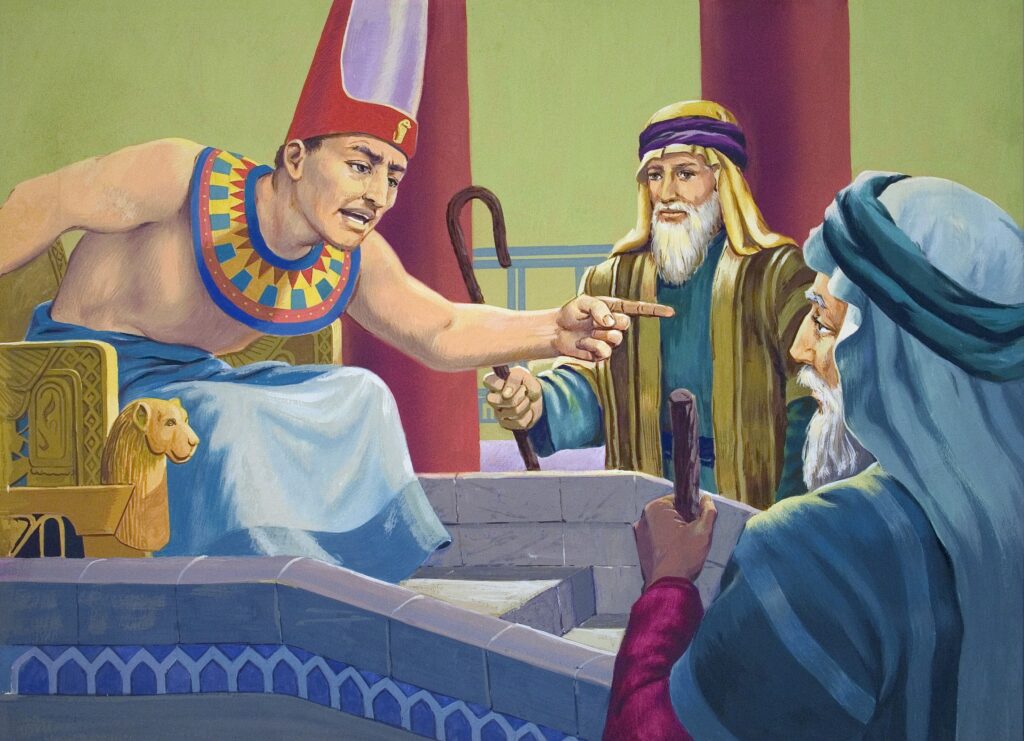
MOSES IMMEDIATELY DEMANDED that Pharaoh release the Israelites. Again Pharaoh refused. As a result, he and his people suffered grievous plagues at the hand of God. God cursed the Egyptians with ten great plagues including lice, frogs, water turning to blood, thick darkness, and other calamities.1 Each plague showed God’s power over one of the many gods worshiped by the Egyptians.
1Exodus 7:14-10:29.
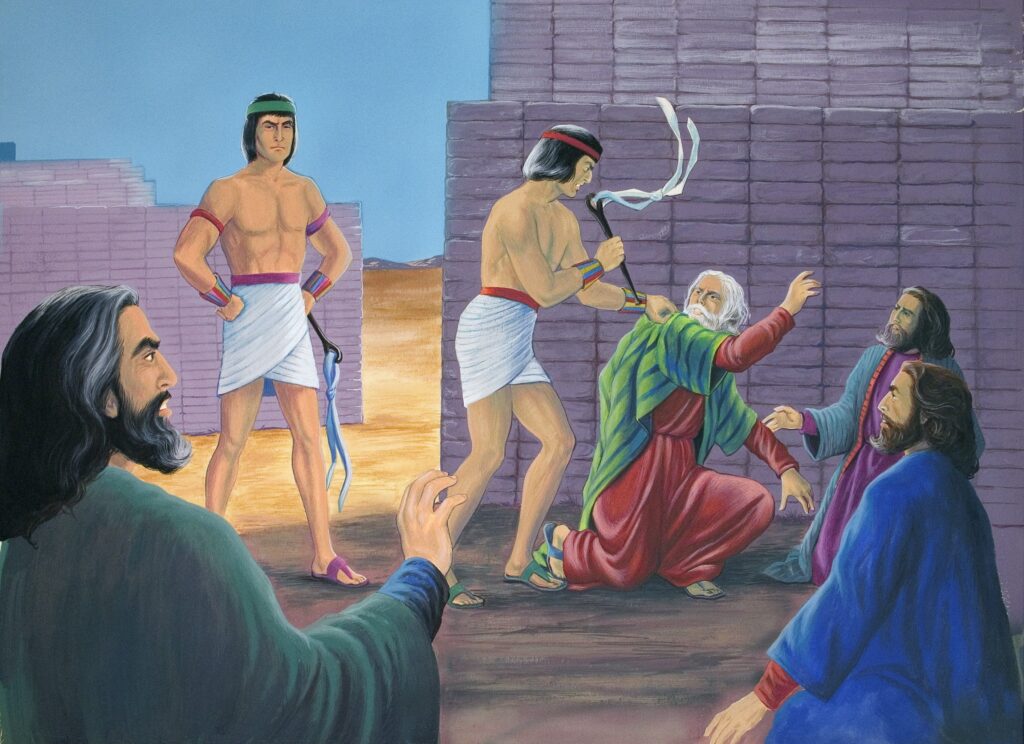
STILL, INSTEAD OF RELEASING the Israelites, Pharaoh increased their burdens. As the Israelites continued to call upon God for deliverance, He heard their cry. Having already cursed the land of Egypt with nine of the ten plagues, God said to Moses, “‘I will bring yet one more plague on Pharaoh and on Egypt. Afterward he will let you go from here’” (Exodus 11:1).
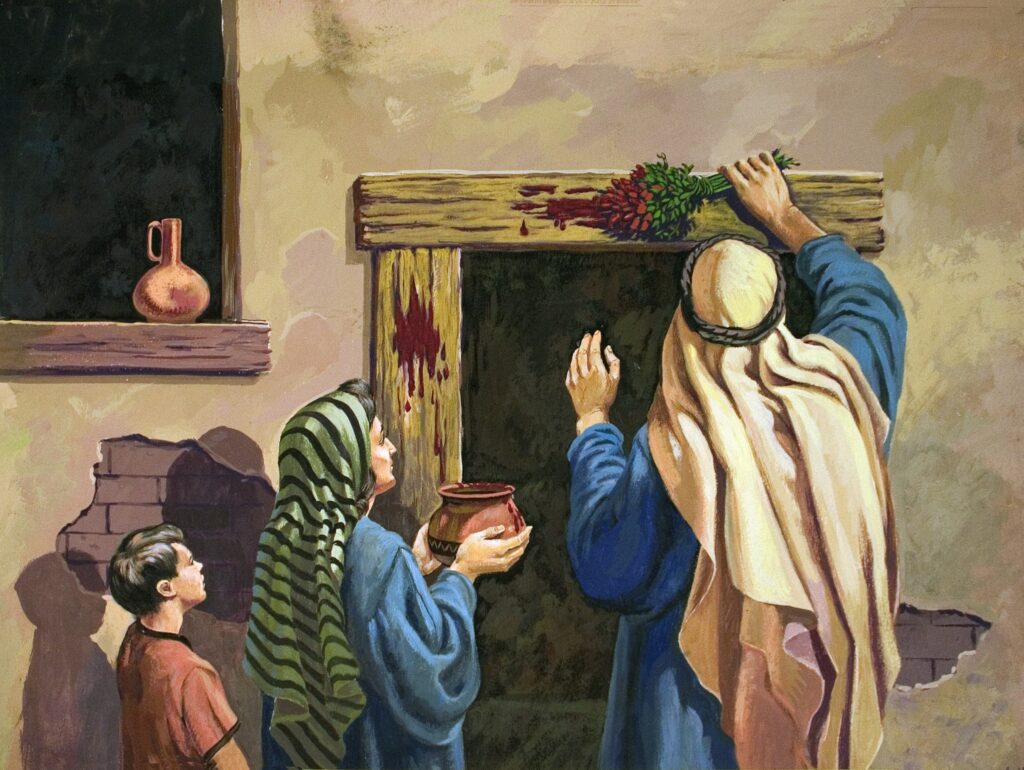
TO PROTECT HIS PEOPLE against the last plague, God instructed each family to kill a lamb and sprinkle the blood on the top and side of the door opening.1 The last plague was to be the death of the firstborn male of man and beast in all Egypt except among the Israelites where the blood was on the doors.2
1Exodus 12:1-7. 2Exodus 11:4-7.
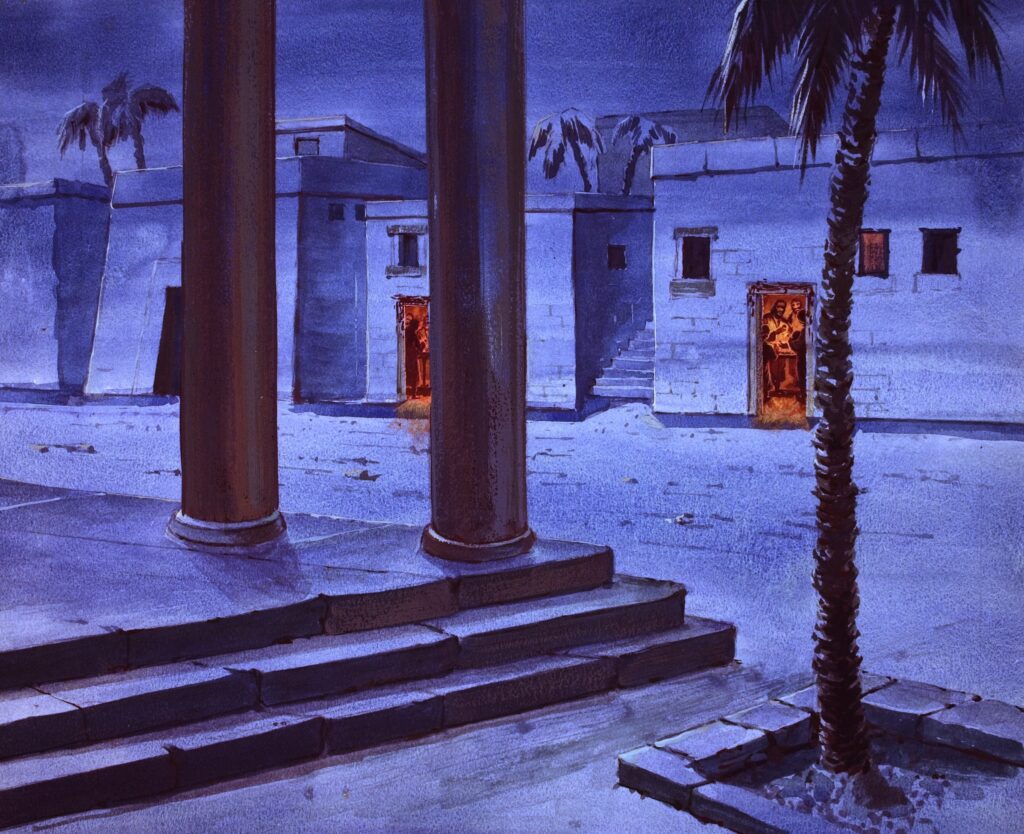
GOD SAID, “‘Now the blood shall be a sign for you on the houses where you are. And when I see the blood, I will pass over you; and the plague shall not be on you to destroy you when I strike the land of Egypt’” (Exodus 12:13). The blood of a lamb saved the Israelites from death. Today the blood of Jesus saves a person from his past sins when in obedience to the will of Christ he becomes a Christian.1
1Peter 1:18-19, 22.
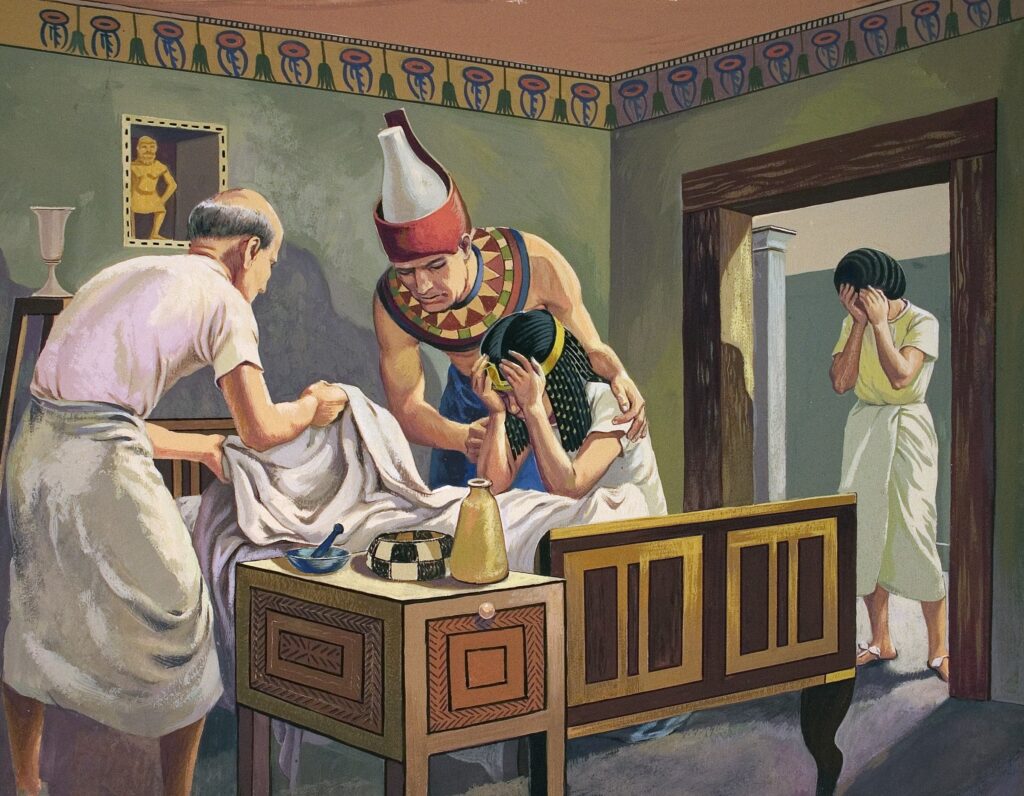
IN KEEPING WITH HIS PROMISE, the Lord came at midnight. Death entered every house in Egypt where the blood was not found. Even the king’s palace did not escape. His eldest son was found dead after midnight. Following this calamity, Pharaoh ordered the Israelites to leave Egypt immediately.1 But after they were well on their way out of Egypt, the king changed his mind. He activated all his horses and chariots, his horsemen and his army to overtake the Israelites.2
1Exodus 12:29-33. 2Exodus 14:5-9.
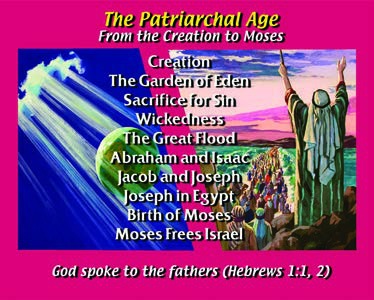
YOU HAVE STUDIED the historical account of the Patriarchal Age: the Creation, the Garden of Eden, Sacrifice for Sin, Wickedness, the Flood, Abraham and Isaac, Jacob and Joseph, Joseph in Egypt, Moses’ Birth, and Moses Frees Israel. Our next study will deal with the Mosaic Period of Bible history. This will include the Bible record of the birth, life and death of Jesus, the Son of God.
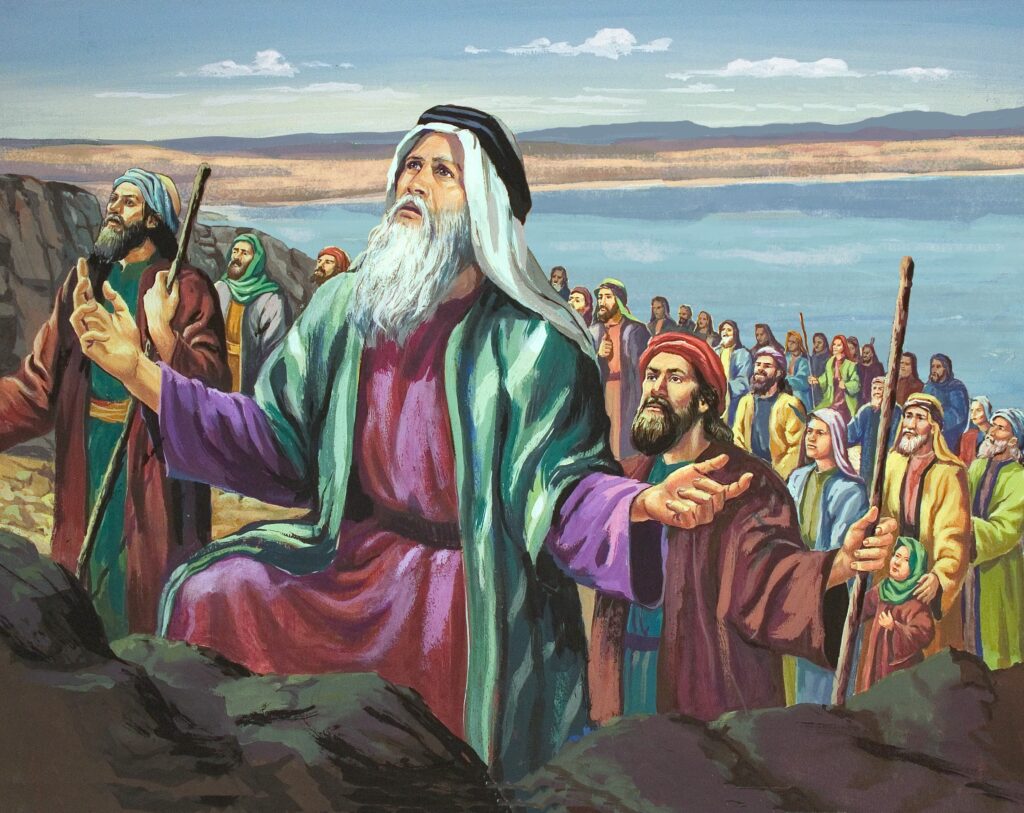
AS THE ISRAELITES LEFT Egypt by the order of Pharaoh, they were experiencing freedom for the first time after generations of slavery. But they soon learned that other crises had to be faced. They would be in need of God’s care and protection continually.